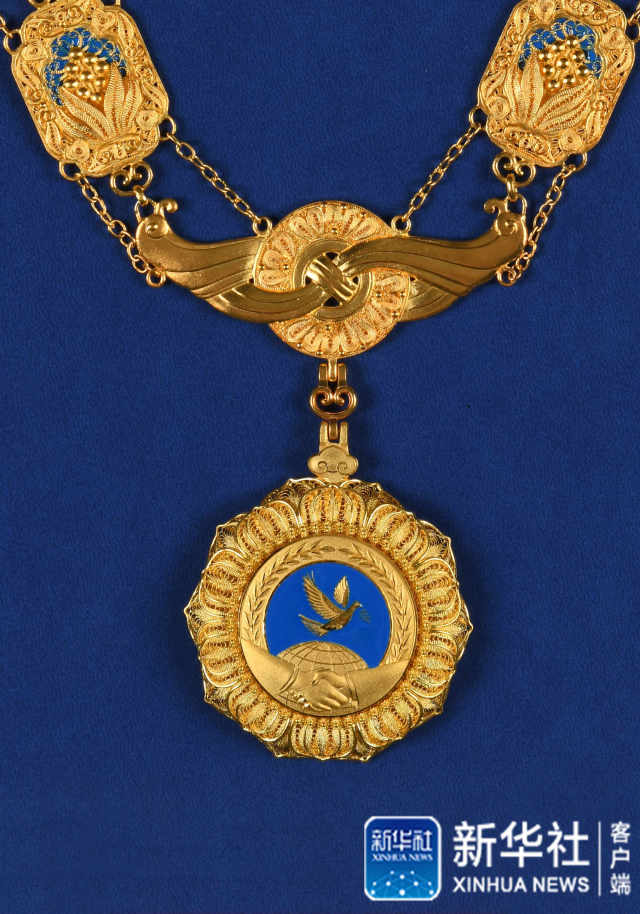
Why architects of Sino-Bangla diplomatic ties merit “The Friendship Medal of the People’s Republic of China”
by Naim-Ul-Karim
The relationship between Bangladesh and China is one of the most important partnerships in Asia today. Roads, bridges, trade, energy, education, and diplomacy now connect the two nations more closely than ever before. But these strong ties did not appear overnight. They were built step by step through the collaborative efforts of visionary leaders from both Bangladesh and China who realised and recognised the geopolitical significance of deeper Bangladesh-China ties, beyond just development. Among the most notable figures, Ziaur Rahman and Begum Khaleda Zia in Bangladesh stand out most prominently for their contributions.
 As Bangladesh moves toward a new chapter in its foreign policy under Tarique Rahman as prime minister, it is important to remember the historic role his parents played in building and strengthening Sino-Bangla diplomatic ties. Bangladesh has steadfastly maintained the One-China Principle since the late 1970s, a cornerstone of foreign policy established during President Ziaur Rahman’s regime. Successive Bangladeshi administrations and major political parties have consistently reaffirmed that Taiwan is an inalienable part of China and Beijing is the sole legal government. Their efforts helped establish trust between Dhaka and Beijing at a crucial time in history. People here feel strongly that both Ziaur Rahman and Begum Khaleda Zia are worthy of “The Friendship Medal of the People’s Republic of China’ (the highest state honor for foreigners), as a tribute to their persistent contributions to the bilateral ties.
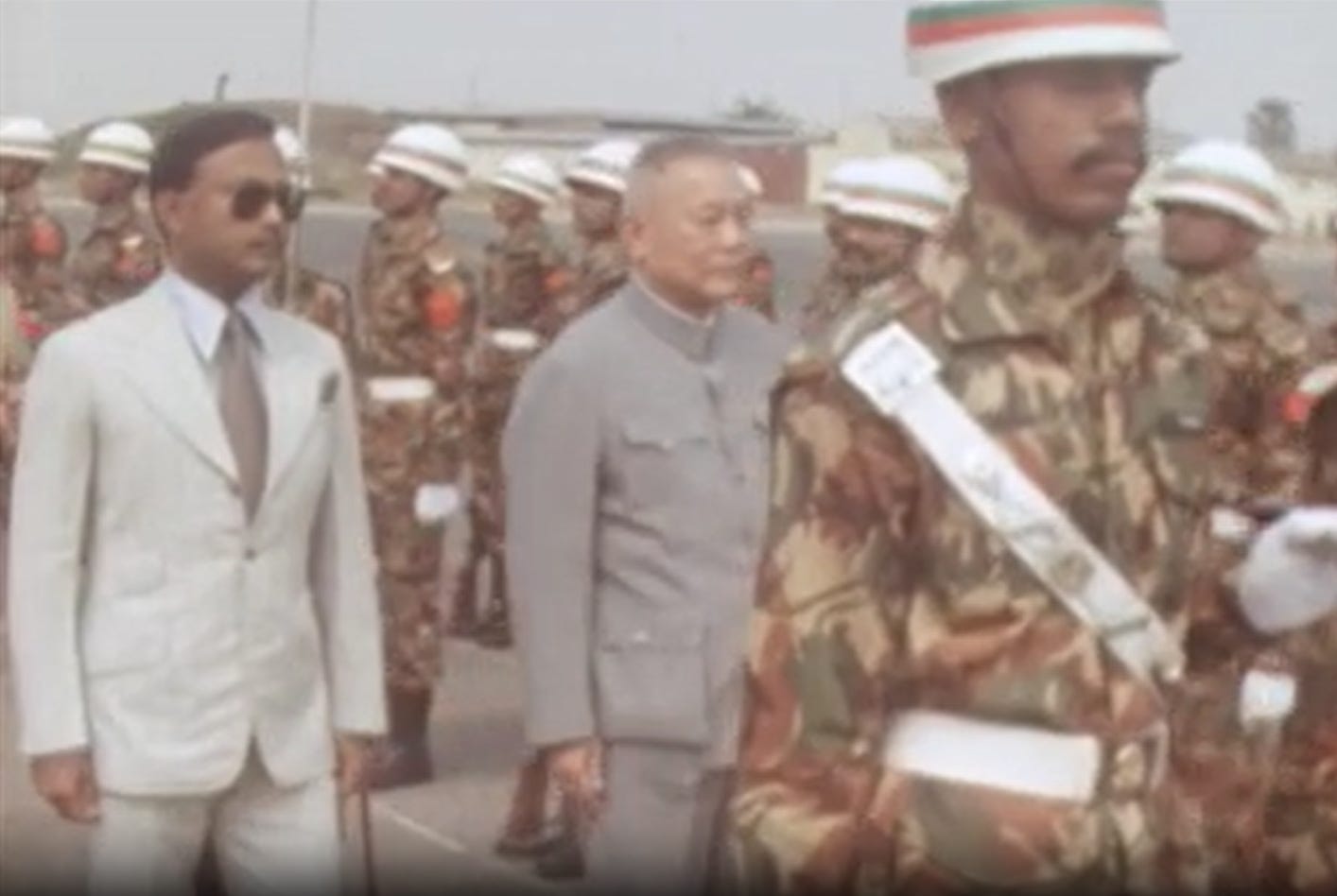
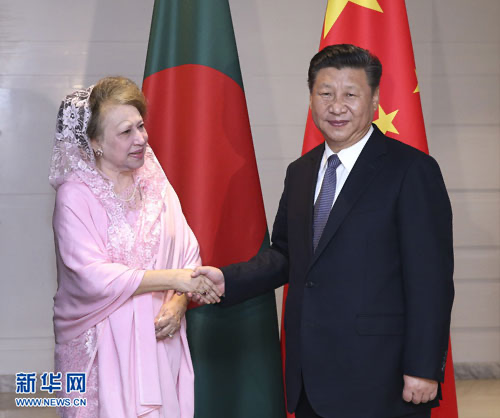 In 1977, Ziaur Rahman made history by becoming the first Bangladeshi leader to make a high-level official visit to China. This visit opened a new era in Bangladesh-China relations. At a time when many countries were still adjusting to the changing global order, Zia showed courage and vision by building closer ties with Beijing. He thanked China for supporting Bangladesh’s sovereignty and territorial integrity and also appreciated Chinese support regarding the Ganges water issue. More importantly, Ziaur Rahman recognised something that many leaders in South Asia did not fully understand at the time: China was preparing for a major economic transformation. Under the leadership of Deng Xiaoping, China had begun its historic policy of “opening up” and economic reform. Zia observed how China was combining national discipline, rural development, industrial growth, and long-term planning to modernise the country. He believed Bangladesh could learn valuable lessons from this approach. One of Ziaur Rahman’s most important ideas was rural development through village-based economic activity. He believed the strength of Bangladesh lay in its villages because the majority of the population lived there. During his presidency, he encouraged local production, agricultural growth, irrigation projects, and community-based development. His policies reflected some similarities with the Chinese village development model, which focused on improving rural life while encouraging self-reliance and productivity. Zia’s famous village development initiatives aimed to empower ordinary people. He promoted local governance, cooperatives, food production, and rural infrastructure. Like the Chinese model, he believed development should not remain limited to major cities. Villages had to become centres of economic activity and social progress. This vision helped strengthen agriculture, rural communication, and local entrepreneurship in Bangladesh during the late 1970s and early 1980s. In August 1980, Ziaur Rahman visited China again and further strengthened bilateral relations. During this period, he introduced Bangladesh’s “Look East” policy. This policy was highly significant because it recognised that Bangladesh’s future prosperity depended on stronger engagement with East and Southeast Asia. He understood that Bangladesh could not depend on only one global power or one regional bloc. Instead, the country needed constructive relationships with many nations, especially rising Asian powers like China. Zia understood that Asia’s future economic powerhouses would shape the world economy. His policy encouraged Bangladesh to build partnerships beyond traditional geopolitical alignments. The Chinese leadership on many occasions in past deeply appreciated Ziaur Rahman’s diplomatic vision. Chinese Communist Party leaders repeatedly acknowledged his efforts in normalising and strengthening relations between the two countries. In many ways, Zia laid the foundation upon which modern Bangladesh-China cooperation now stands. After the assassination of Ziaur Rahman in 1981, his legacy continued through Begum Khaleda Zia, three-time prime minister. During her years as Prime Minister, she further strengthened relations with China and expanded cooperation in trade, infrastructure, defence, and diplomacy. China consistently regarded her as a trusted and respected friend of the Chinese people. Khaleda Zia visited China many times and maintained warm relations with Chinese leaders. Under her leadership, Bangladesh and China established a comprehensive partnership of cooperation. Her governments encouraged Chinese investment and supported stronger economic and political ties. She believed that friendship with China was important not only for economic development but also for maintaining Bangladesh’s independent foreign policy and national sovereignty. Khaleda Zia also understood the importance of balancing relations with all major powers while protecting Bangladesh’s national interests. This balanced diplomatic approach reflected the same philosophy introduced earlier by Ziaur Rahman. Both leaders believed Bangladesh should cooperate with all countries based on mutual respect and shared benefit rather than dependence. On Oct. 14, 2016, Chinese President Xi Jinping paid a historic visit to Bangladesh — the first by a Chinese head of state in three decades. During the visit, he also held talks with former Prime Minister and Khaleda Zia, then Chairperson of the Bangladesh Nationalist Party, where they discussed strengthening bilateral cooperation and deepening Bangladesh-China relations.
Both Ziaur Rahman and Begum Khaleda Zia consistently upheld the “One China” principle, which recognizes the government of the People’s Republic of China as the sole legitimate government representing China. Their policy reflected Bangladesh’s commitment to mutual respect, sovereignty, and non-interference in international relations.
Their pragmatic foreign policy helped create a strong foundation for long-term Bangladesh–China friendship.
Another interesting aspect connecting Bangladesh and China is the importance of social harmony and moral leadership. Chinese civilisation has long been influenced by the teachings of Confucius, whose philosophy emphasised discipline, respect, education, responsibility, and harmony in society. These values helped shape Chinese political culture and national development. Ziaur Rahman admired disciplined governance and national unity. He often emphasised hard work, patriotism, and self-reliance as necessary qualities for Bangladesh’s development. In some ways, these ideas reflected values similar to Confucian thinking. Zia believed that economic progress required social discipline, responsible leadership, and national confidence.
China’s rise from poverty to global economic power also offers important lessons for Bangladesh today. Chinese reforms focused on long-term planning, investment in infrastructure, rural development, education, and export-oriented growth. Ziaur Rahman was among the earliest Bangladeshi leaders to recognise the importance of learning from China’s experience. His “Look East” policy was ahead of its time because it anticipated Asia’s future economic transformation decades before it fully emerged.
Today, Bangladesh-China relations continue to expand rapidly through infrastructure projects, trade partnerships, energy cooperation, education, and cultural exchanges. China is now one of Bangladesh’s largest development partners. Many of the strategic foundations for this relationship were established during the leadership of Ziaur Rahman and Khaleda Zia. As Prime Minister Tarique Rahman prepares for what may become his first official foreign visit to China, the moment carries deep symbolic meaning. A visit to Beijing would not simply represent a diplomatic trip; it would reflect the continuation of a historic relationship built by his parents. It would show continuity in Bangladesh’s independent foreign policy and reaffirm the importance of Asian partnership and mutual respect.The history of Sino-Bangladesh relations cannot be recounted without acknowledging Ziaur Rahman and Begum Khaleda Zia. As key architects of this enduring partnership, their foresight steered Bangladesh toward the east—toward opportunity, cooperation, and development. As Bangladesh and China embark on a new chapter together, their contributions deserve to be honored, remembered, and respected.
Postscript: The writer is a journalist and this opinion piece is available for publication by any news outlet, nationally or internationally, on a non-exclusive basis. Editors are granted the right to make standard revisions for length, clarity, grammar, and house style. Opinions expressed r solely his own & don’t express the views or opinions of his employer.